Choosing between West San Jose and Downtown often comes down to one simple question: how do you want your day to flow? If you are trying to balance commute habits, housing style, errands, and the kind of energy you want around you, this comparison can help you get clearer. Below, you will see how each area supports a different daily rhythm, so you can decide which one fits your life best. Let’s dive in.
West San Jose vs Downtown at a Glance
If you want a quick summary, Downtown San Jose generally supports a more urban, transit-oriented lifestyle. West San Jose usually offers a more corridor-based routine with a stronger suburban backdrop, especially outside the main commercial areas.
Neither option is better across the board. The right fit depends on whether you want your week to revolve more around transit access and activity, or around driving convenience, shopping nodes, and nearby residential blocks.
How the City Defines Each Area
Downtown San Jose is broader than many people assume. The City’s Downtown Transportation Plan includes the traditional core plus nearby Greater Downtown neighborhoods, with boundaries stretching from Spartan-Keyes to Japantown, from San Jose State University to the Diridon Station and St. Leo’s area.
West San Jose is defined more through corridors and planning areas than by one single center. City planning highlights west-side areas around Saratoga Avenue, Santana Row and Valley Fair, Winchester Boulevard, South Bascom, and West San Carlos, with the West San Jose MTIP covering a large west-side project area.
That matters because the built environment follows those planning patterns. Downtown functions more like a concentrated center, while West San Jose feels more spread across key corridors and surrounding residential areas.
Housing Style and Neighborhood Feel
Downtown feels denser and more vertical
Downtown is where San Jose is intentionally directing higher-density growth. The Downtown Strategy 2040 would raise residential capacity to 14,360 units and office capacity to 14.2 million square feet by 2040, and the Diridon Station Area Plan allows taller buildings in key areas with transition standards near lower-rise neighborhoods.
You can already see that pattern on the ground. VTA describes multiple residential towers downtown, and recent city updates have highlighted projects like The Fay, a 23-story, 336-unit high-rise.
If you picture daily life in a condo or apartment with more activity nearby, Downtown aligns more closely with that experience. It is the clearer fit if you want a denser setting and a more urban streetscape.
West San Jose feels more suburban overall
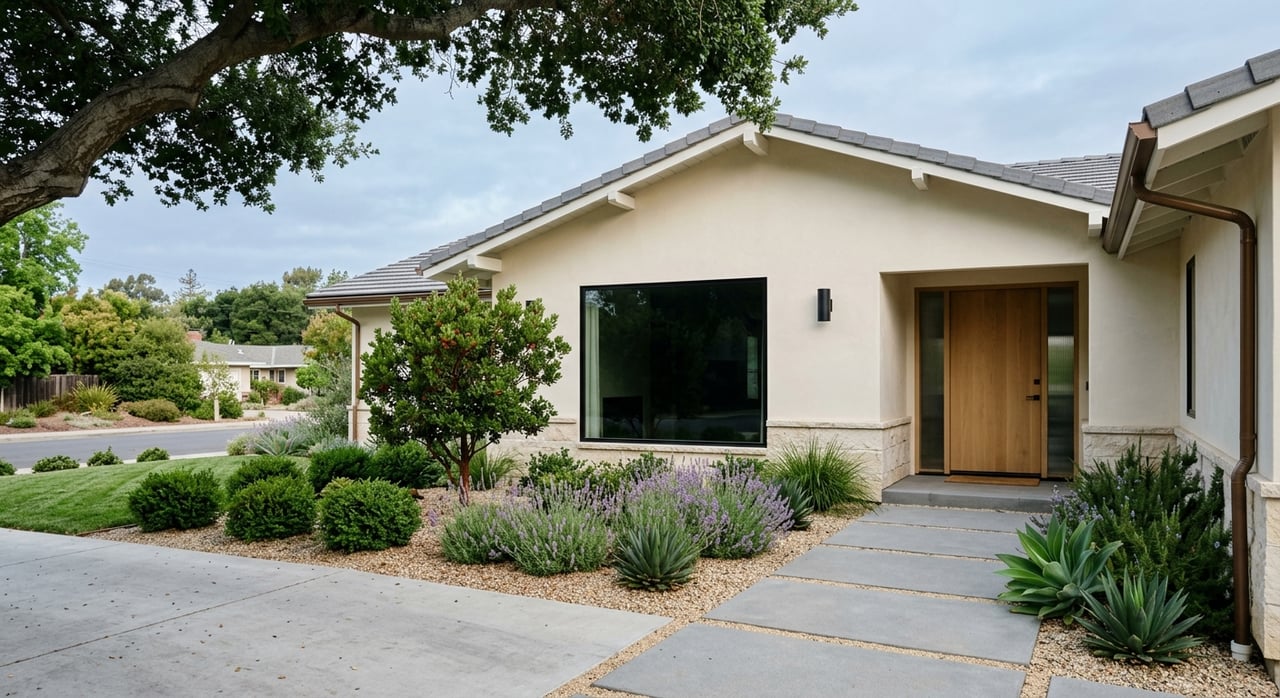
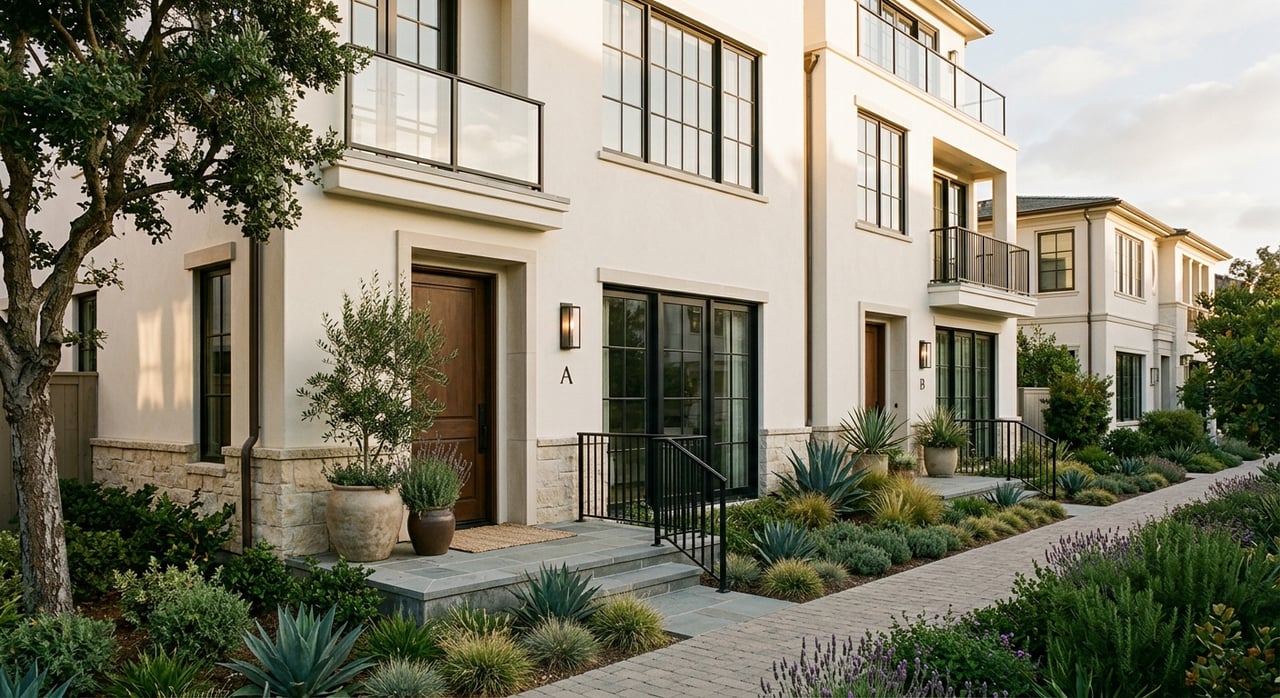
West San Jose has a more mixed pattern. Along main corridors, you will find commercial uses, shopping plazas, strip malls, offices, and some multi-family housing, but the surrounding context remains more suburban in many places.
City planning for Saratoga Avenue describes the area as largely commercial and auto-oriented, with adjacent single-family neighborhoods and apartments. The city’s urban village strategy also notes that most existing single-family neighborhoods were intentionally left out of higher-density growth areas.
That creates a different day-to-day atmosphere. Even where mixed-use growth is planned, many parts of West San Jose still read as lower-rise and more residentially spread out.
Commuting and Getting Around
Downtown supports a car-light routine more easily
If transit access is high on your list, Downtown has the stronger case. The future Downtown San Jose BART station is planned on Santa Clara Street between Market and 1st Streets, and VTA expects many future riders to reach it by walking or by transferring from light rail and bus service.
Downtown also benefits from Diridon Station, which already connects to Caltrain, ACE, Capitol Corridor, Coast Starlight, Amtrak, and local and regional bus service. The City says the renovated Diridon hub will become the largest transit hub west of the Mississippi.
This does not mean everyone downtown stops driving. But it does mean you have more realistic options if you want to rely less on a car for at least part of your routine.
West San Jose is still more car-oriented
West San Jose can work well if driving convenience matters most to you. City planning documents repeatedly describe key corridors like Saratoga Avenue as auto-oriented, and public feedback on west-side plans has focused on congestion, freeway access, bus frequency, and safer pedestrian connections.
The West San Jose MTIP is designed to improve walking, biking, rolling, and transit conditions. That is encouraging, but it also shows the area is still evolving rather than already functioning like a dense transit core.
For many households, that may feel practical. Regional Bay Area data from 2024 shows that 69% of commuters drove alone or carpooled, while 8% used public transit and 17% worked from home. Average commute time was 30 minutes overall, with drive-alone trips averaging 29 minutes and transit trips averaging 50 minutes.
Amenities and Everyday Convenience
Downtown has the stronger activity hub
If you want more going on close to home, Downtown stands out. VTA says downtown has more than 250 restaurants, nine theater venues, numerous art galleries, event venues, San Jose State University, City Hall, SoFA, San Pedro Square, the Convention Center, and the Cultural District.
That concentration changes how your free time can look. You may have more options to walk to dinner, attend events, or build spontaneous outings into your week.
Downtown is not only for transit users, either. City information notes that VTA light rail runs through the center of downtown, and city parking garages offer 90 minutes of free parking, which helps drivers access the area too.
West San Jose is more errand- and retail-driven
West San Jose offers amenities in a different pattern. Rather than one central urban core, its activity is more tied to commercial nodes and shopping areas such as the Westgate area and the Santana Row and Valley Fair corridor referenced in city planning.
Planning language around Saratoga Urban Village points to a routine centered more on errands, retail access, and neighborhood-serving uses. Community feedback has asked for more green space, better walkways between shopping centers, traffic calming, and improved parking management.
For some buyers, that is a plus. If your ideal week includes easy retail access, everyday convenience, and a calmer residential backdrop beyond the main corridors, West San Jose may feel more natural.
Which Area Feels More Urban?
Downtown is the more urban option by a clear margin. The city is concentrating housing and job growth there, the transit network is more robust, and the mix of restaurants, arts venues, and civic destinations is much denser.
If you like being closer to visible growth, larger buildings, and a more active public realm, Downtown likely matches your preferences better. It offers the strongest version of an urban San Jose lifestyle.
Which Area Feels More Suburban?
West San Jose generally feels more suburban, especially once you move outside the main commercial corridors. Planning documents consistently preserve nearby single-family areas and describe several west-side corridors as auto-oriented.
That tends to create a rhythm that is more residential and more spread out. You may still enjoy mixed-use pockets and busy shopping districts, but the overall setting is less concentrated than Downtown.
Best Fit by Lifestyle
Choose Downtown if you want:
- More transit access in your daily routine
- A denser housing environment with more vertical living options
- Restaurants, arts, and event venues closer together
- A more urban pace with stronger walkable activity zones
Choose West San Jose if you want:
- A more suburban backdrop in many residential areas
- Daily life centered around driving, errands, and retail corridors
- Access to shopping nodes rather than one concentrated downtown core
- A mix of commercial activity and quieter nearby neighborhoods
The Real Decision Is About Routine
When buyers compare West San Jose and Downtown, they are often really comparing daily habits. Do you want more transportation options and activity near your front door, or do you want a more spread-out setting where shopping and errands are easy to build around a driving routine?
That answer can shape everything from the kind of home you choose to how your weekends feel. The good news is that both areas offer distinct lifestyle advantages, and the better choice is the one that supports the way you actually live.
If you are weighing San Jose neighborhoods and want calm, hands-on guidance tailored to your goals, Rob Godar can help you compare options and move forward with confidence.
FAQs
What is the main lifestyle difference between West San Jose and Downtown San Jose?
- Downtown San Jose is generally more urban, transit-oriented, and activity-focused, while West San Jose is more corridor-based, car-oriented, and suburban in overall feel.
Is Downtown San Jose better for public transit than West San Jose?
- Yes. Downtown has stronger transit connections through light rail, bus service, the planned Downtown BART station, and Diridon Station’s regional rail network.
Does West San Jose feel more suburban than Downtown San Jose?
- Yes. City planning documents describe much of West San Jose as surrounding lower-rise residential areas, especially outside major commercial corridors.
What kind of housing is more common in Downtown San Jose?
- Downtown is the city’s main higher-density growth area, so it has a stronger concentration of towers and other denser residential development.
What kind of daily routine fits West San Jose best?
- West San Jose may fit you well if you prefer a driving-oriented routine with shopping, errands, and residential neighborhoods woven around commercial corridors.
Is Downtown San Jose only practical if you do not drive?
- No. Downtown is more transit-friendly, but city information also notes parking options, including 90 minutes of free parking in city garages.