If you are deciding between a condo and a townhome in Cupertino, you are not just choosing a floor plan. You are choosing a daily routine, a monthly cost structure, and a strategy for buying in one of Silicon Valley’s most competitive markets. The good news is that once you understand how these two options differ in Cupertino, the choice gets much clearer. Let’s dive in.
Cupertino market snapshot
Cupertino remains a fast-moving housing market overall. Over the last three months, homes received an average of four offers, sold in about 10 days, and the median sale price reached $3.228 million. More than 81% of homes sold above list price, which tells you competition is still very real.
Within that broader market, condos and townhomes are behaving a bit differently right now. Current inventory shows about 11 condos for sale at a median listing price of $998,000 and 12 townhomes for sale at a median listing price of $1.3 million. Condos are averaging 63 days on market with about one offer, while townhomes are averaging 37 days on market with about three offers.
That pattern suggests townhomes are the tighter segment today. If you are leaning toward a townhome, it helps to be ready to move quickly. If you are considering a condo, you may have a little more room to evaluate options carefully.
Ownership matters more than the label
One of the biggest misconceptions in California real estate is that the word “townhome” tells you exactly what you own. It does not. Under California rules, subdivision type is defined by ownership rights, not just by how a property looks from the street.
A home with a townhouse-style layout may legally be a condominium, a planned development, or another common-interest form. In a planned development, you typically own the home on a separate lot and share rights to common areas through the homeowners association. In a condominium, you own the unit and a share of the common area.
That distinction matters because it affects maintenance, insurance responsibilities, HOA authority, and what you should review before closing. In both structures, HOA membership transfers automatically with title, and the association typically enforces rules, collects dues, and manages common areas.
What condos usually look like in Cupertino
In today’s Cupertino inventory, condos are often two-bedroom, two-bath homes ranging from roughly 1,039 to 1,377 square feet. Current examples include homes around 1,087, 1,249, 1,305, and 1,377 square feet. For many buyers, that size range hits a practical sweet spot.
Common condo features in Cupertino include private balconies or patios, in-unit laundry, and gated or underground parking. Many communities also offer shared amenities such as pools, spas, clubhouses, fitness centers, and guest suites. If you want convenience and access to amenities without taking on a larger footprint, condos often check that box.
Condo living can be especially appealing if you prefer a lock-and-leave setup. If your schedule is busy, or you simply do not want to think much about exterior upkeep, the condo option may feel refreshingly simple.
What townhomes usually offer in Cupertino
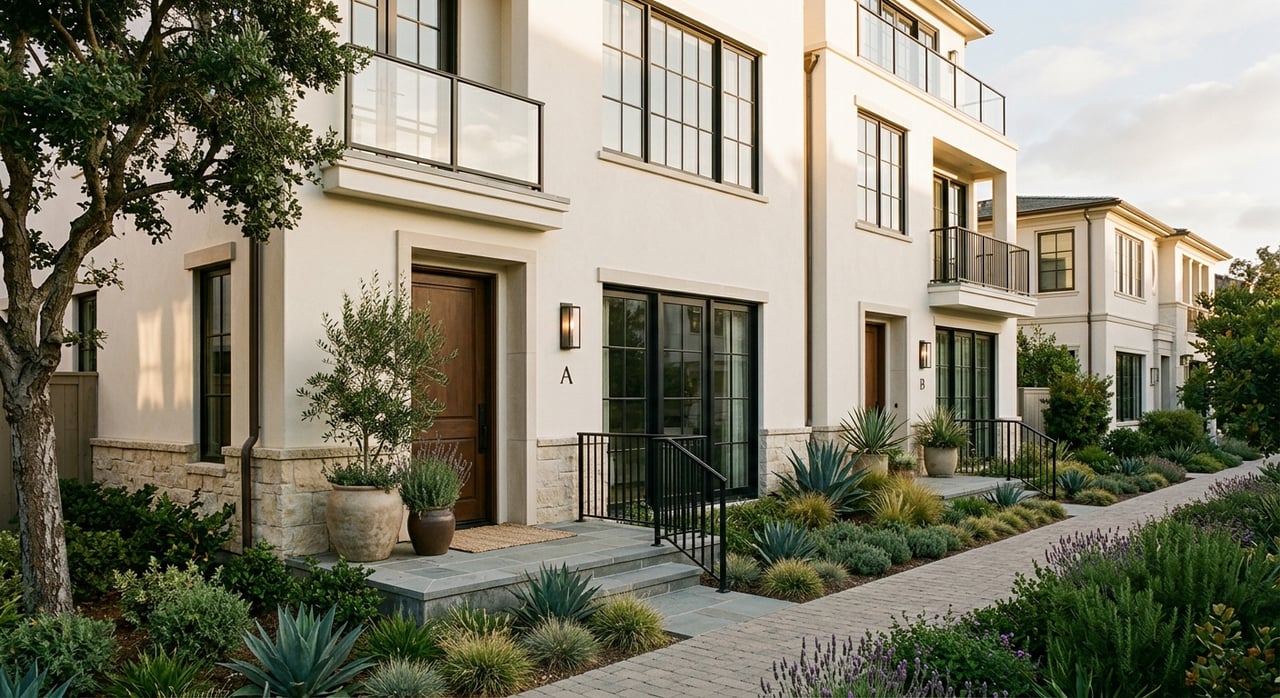
Cupertino townhomes tend to offer a broader range of layouts and sizes. Current inventory runs from about 1,060 to 2,202 square feet, with two- to four-bedroom options. Many are two-story homes, while some are single-level end units.
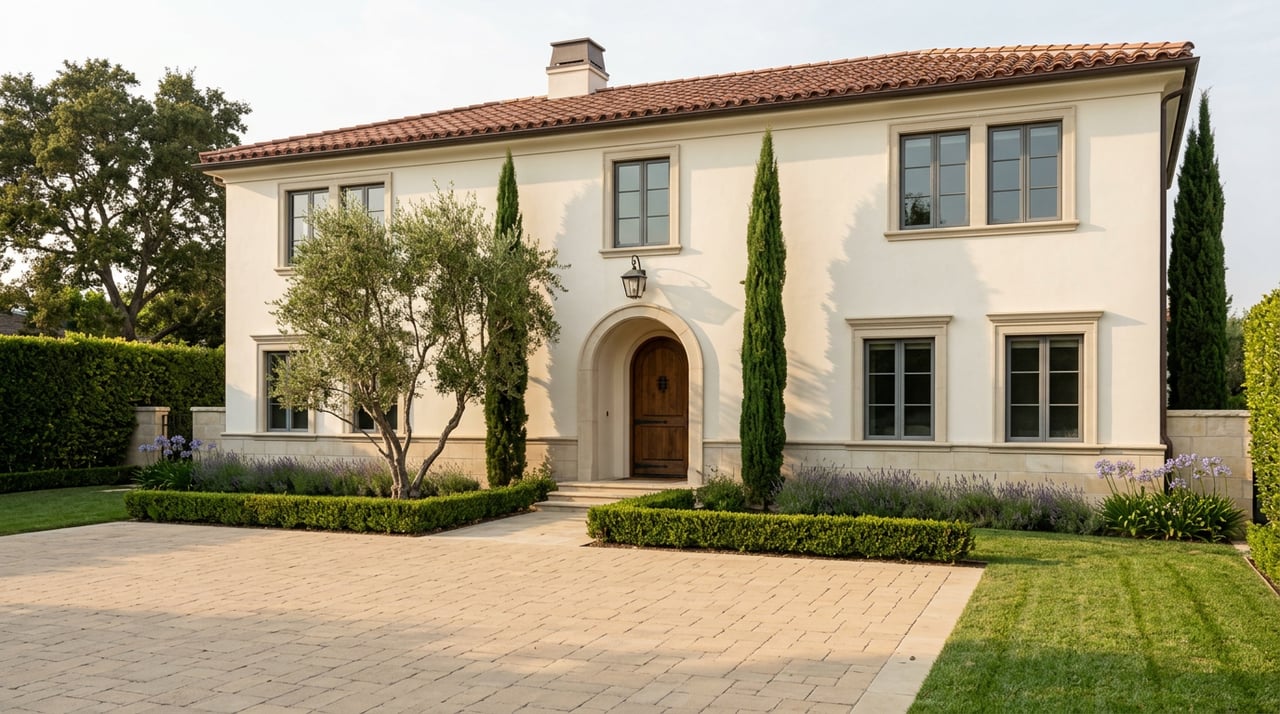
Townhomes often include features that feel more house-like. You may find private patios, small backyards, balconies, and attached or private garages. For buyers who want more separation between living and sleeping areas, or simply want extra room to spread out, that added space can make a big difference.
That house-like feel is one reason townhomes are attracting stronger competition right now. They often appeal to move-up buyers, relocators, and anyone trying to bridge the gap between condo living and a detached home.
Comparing lifestyle fit
For many buyers, the better choice comes down to how you want to live day to day. A condo often trades some privacy and square footage for lower-maintenance living and stronger amenity access. A townhome often trades a larger footprint and more private outdoor space for somewhat more upkeep and a higher level of competition.
If your top priorities are simplicity, convenience, and manageable monthly living, a condo may align well with your goals. If you want more room, more privacy, and a home that feels closer to a single-family property, a townhome may be worth the extra effort and cost.
Commute and access can also influence the decision. Cupertino is served by Highway 85, Interstate 280, Lawrence Expressway, and VTA bus service, and the city has continued improving bike lanes, trails, bridges, sidewalks, and other connections. Apple Park is located north of Highway 280 between Wolfe Road and Tantau Avenue, so parking, garage access, and freeway convenience may matter just as much as square footage.
HOA dues and monthly costs
The purchase price is only part of the story. When you compare Cupertino condos and townhomes, your true monthly cost also includes HOA dues, property taxes, and the possibility of special assessments.
According to California Department of Real Estate guidance, HOA budgets typically cover operating costs, maintenance, reserves, administration, and contingency funds. Dues can increase over time, and associations may also levy special assessments for major repairs, replacements, or unexpected expenses. That means a lower list price does not always translate into a lower total cost of ownership.
Santa Clara County also notes that the basic property tax rate is 1% of assessed value, though total tax rates can be higher because of voter-approved debt and special assessments. The county also issues supplemental tax bills when ownership changes or new construction is reappraised, and those bills are usually not fully prorated in escrow. For buyers, that is an important budgeting detail to understand upfront.
Maintenance is project-specific
Many buyers assume townhomes are always lower maintenance than condos, or the other way around. In reality, the answer depends on the project documents. The association may handle more exterior responsibility in one community, while another may leave certain patios, balconies, or private outdoor areas to the owner.
That is why the legal structure and HOA documents matter more than the marketing label. Before you remove contingencies, it is smart to review the public report, CC&Rs, bylaws, budget, reserve funding, and any recent or pending assessments. Those documents help you understand what the HOA covers, what you are responsible for, and where future costs may come from.
This step is especially important with condos, where a seemingly attractive monthly payment can change if dues rise or assessments are looming. It is just as important with townhomes, where owner maintenance obligations may be broader than expected.
How competition affects your strategy
Because townhomes are currently selling faster and drawing more offers in Cupertino, buyers targeting that segment should expect less hesitation time. A strong pre-approval, a clear budget, and clean contingency language can make a real difference when multiple buyers are pursuing the same home.
With condos, you may have more flexibility on some listings. That can create opportunities to negotiate on price or concessions, but it also gives you the chance to slow down and study the HOA side carefully. In this segment, careful document review can be just as valuable as offer speed.
In both cases, preparation matters. In a market like Cupertino, it helps to know your non-negotiables before you start touring so you can act decisively when the right property appears.
A simple way to choose
If you are still weighing both options, start with three questions. How much space do you really need? How much maintenance do you want to handle? And how comfortable are you with Cupertino’s current competition level for the home type you prefer?
A condo may be the better fit if you want lower-maintenance living, shared amenities, and a potentially more flexible buying pace. A townhome may be the better fit if you want more square footage, more private outdoor space, and a more traditional residential feel.
There is no one-size-fits-all answer in Cupertino. The right choice is the one that fits your budget, your routine, and your long-term plans. If you want a calm, hands-on review of current options and the details behind them, Rob Godar can help you compare properties with clarity and confidence.
FAQs
What is the difference between a condo and a townhome in Cupertino?
- In Cupertino, the difference is not just architectural style. In California, ownership rights define the property type, so a townhouse-style home may legally be a condominium or a planned development.
Are Cupertino townhomes always more expensive than condos?
- Not always, but current inventory shows condos at a median listing price of about $998,000 and townhomes at about $1.3 million, with some overlap depending on size, condition, and location.
Do Cupertino condos usually have more HOA involvement than townhomes?
- Often yes, but the exact division of responsibility depends on the HOA documents, including the CC&Rs, bylaws, budget, and public report.
Are Cupertino townhomes more competitive to buy right now?
- Yes. Current market snapshots show townhomes averaging about 37 days on market and three offers, compared with condos at about 63 days on market and one offer.
What HOA documents should you review before buying a Cupertino condo or townhome?
- You should review the public report, CC&Rs, bylaws, proposed budget, reserve funding, and any recent or pending assessments before removing contingencies.
How do property taxes work for a Cupertino condo or townhome?
- Santa Clara County says the basic property tax rate is 1% of assessed value, though the total can be higher because of voter-approved debt and special assessments, and ownership changes can trigger supplemental tax bills.