If you are thinking about living near Apple Park, you are probably asking a practical question: what does daily life in Cupertino actually feel like once the workday ends? That matters whether you are relocating for a job, moving closer to a shorter commute, or simply trying to understand how this part of Silicon Valley functions day to day. The good news is that Cupertino offers more than office proximity, with parks, shopping corridors, community events, and a range of housing types packed into a relatively compact city. Let’s dive in.
Cupertino Life Near Apple Park
Cupertino describes itself as a 13-square-mile city on the western edge of Silicon Valley, with tree-lined residential areas set against the foothills of the Santa Cruz Mountains. The city also reports a population of about 64,000 residents and notes that it is home to Apple and other major tech employers. That combination gives the area a distinct rhythm: highly connected to the region’s job centers, but still grounded in neighborhood-scale daily routines.
In practice, living near Apple Park often means your errands, recreation, and commute can stay fairly localized. Cupertino’s own community and transportation materials emphasize a city built around walkways, sidewalks, bike routes, bus facilities, local streets, and freeway access. So while Apple Park is a major landmark, everyday life nearby is not only about work. It is also about how easily you can move through the city and access the places you use most.
The city also highlights community events such as Diwali, Cherry Blossom, Moon Festival, and Tournament of Bands. That points to a day-to-day environment that feels active and community-oriented, not just corporate. If you want a place that combines Silicon Valley energy with a steady residential feel, Cupertino tends to stand out.
Getting Around Cupertino
Apple Park sits in the northeastern part of Cupertino near Sunnyvale and Santa Clara. According to the city, the campus is bounded by I-280, Wolfe Road, Homestead Road, and North Tantau Avenue. That location matters because it places you close to several of the roads that shape everyday travel in and around Cupertino.
For drivers, Cupertino’s official getting-around resources point to I-280, State Route 85, Lawrence Expressway, Foothill Expressway, Stevens Creek Boulevard, Homestead Road, De Anza Boulevard, and Wolfe Road as key connections. If you live nearby, your routine may revolve around these corridors for commuting, shopping, and reaching neighboring cities. One practical advantage is that many of Cupertino’s major destinations cluster along these established routes.
Cupertino also supports alternatives to driving. The city points residents to VTA bus service and SV Hopper, which connects Cupertino with Caltrain stations in Sunnyvale, Mountain View, and Santa Clara. The city’s Apple Park planning materials also note that the campus was designed around alternative commuting options like walking, biking, transit, and employee shuttles, with a transit center for buses and bicycles.
If a shorter or more flexible commute is high on your list, this part of Cupertino can be especially appealing. Main Street Cupertino, for example, states that it is within walking distance of the Apple campus, and it is served by VTA bus 23 and express bus 323. That gives some nearby areas a more connected, live-work feel than people might expect from a suburban setting.
Bike and Walk Options
Cupertino’s bicycle network includes bike lanes, neighborhood routes, and shared-use trails. The city also describes its Loop concept as a way to connect schools, parks, shopping areas, and residential neighborhoods. For day-to-day life, that means biking or walking may be realistic for more than just recreation, depending on where you live and where you need to go.
This does not make every trip car-free, of course. But it does support a more flexible routine, especially if you value having options for exercise, short errands, or commuting part of the way without getting in the car.
Parks and Outdoor Recreation
One of Cupertino’s everyday strengths is how much recreation fits within the city’s footprint. The Parks & Recreation department offers classes, camps, sports programs, events, senior programming, and other community resources. The Cupertino Library is also part of the Civic Center complex, alongside City Hall and Community Hall, which adds another practical anchor for local routines.
For outdoor time, Blackberry Farm is one of the city’s most complete recreation areas. Cupertino lists two pools, picnic areas, a playground, bocce ball courts, sand volleyball, a walking trail, and a 1-mile ADA pathway. The site also connects to the Stevens Creek Trail corridor for people arriving by foot, bike, or shuttle.
If you prefer something quieter and more natural, McClellan Ranch Preserve offers a different pace. The city describes it as an 18-acre preserve and former horse ranch with walking trails. It is the kind of place that can help balance out a busy workweek with a more low-key outdoor setting.
Taken together, Cupertino’s public resources suggest a city where recreation is built into everyday living. You can find structured programs, seasonal activities, walking paths, and open space without needing to leave town. For many buyers, that is an important part of what makes the area feel livable over the long term.
Shopping and Dining Patterns
Cupertino’s retail layout is practical and fairly easy to understand. The city says most shopping centers and stores are concentrated along or near Stevens Creek Boulevard, Wolfe Road, De Anza Boulevard, and Homestead Road. So instead of errands being scattered everywhere, many of your regular stops are likely to fall along a few familiar corridors.
That pattern can make day-to-day living more efficient. Grocery runs, coffee stops, casual meals, and service errands often happen within the same general zones. If you are moving from a place where everything feels spread out, Cupertino’s corridor-based layout may feel more manageable.
Main Street Cupertino is one of the clearest examples of this lifestyle. Its official site describes it as a mixed-use neighborhood with a town-square feel, public open space, office space, a hotel, and apartments. The current directory includes a broad mix of dining and retail names such as Lazy Dog, Philz Coffee, Koi Palace, Haidilao Hotpot, Ippudo, and 85°C.
Cupertino Village is another major everyday destination. Its official site positions it as a shopping and dining hub, and its tenant list includes names such as 99 Ranch Market and 7 Leaves Cafe. For many residents, places like these help define the rhythm of local life more than any single landmark does.
Housing Types Near Apple Park
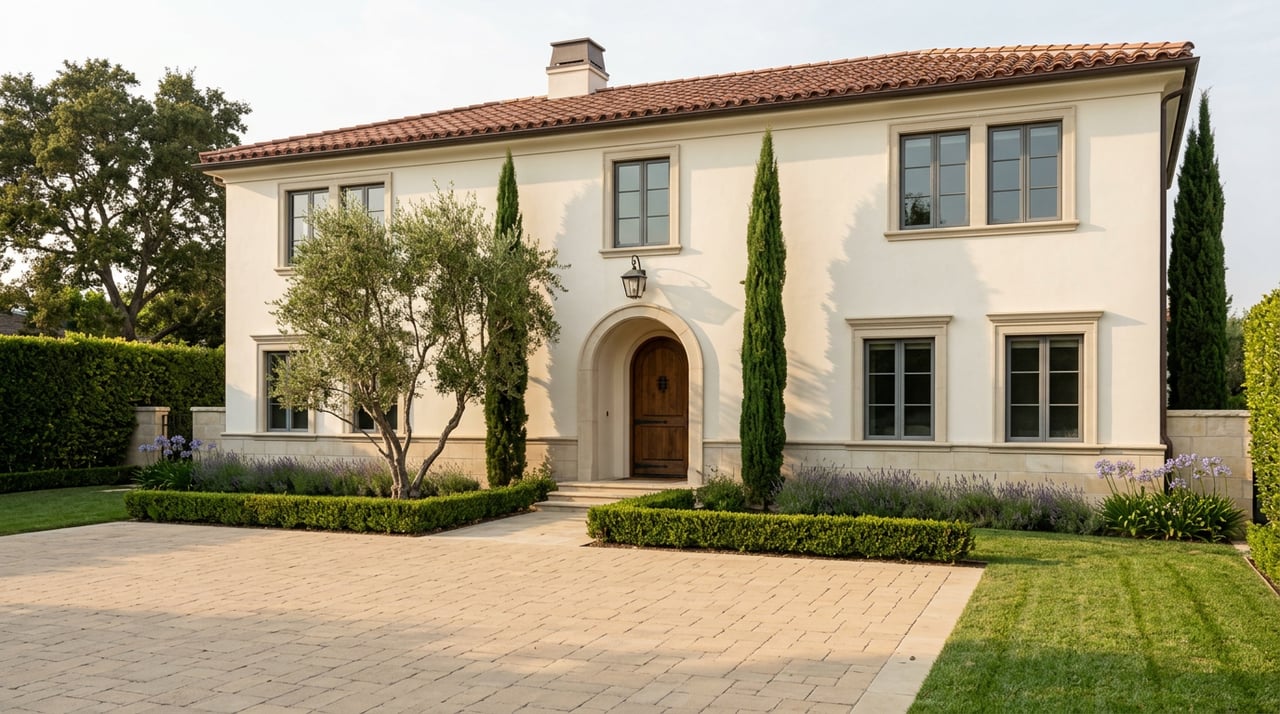
If you picture Cupertino as only detached suburban homes, the city’s planning materials show a more varied reality. Residential zoning and planning rules include detached single-family homes, hillside single-family homes, duplexes, townhomes, multifamily housing, planned development zones, and accessory dwelling units. That means buyers exploring the Apple Park area can expect more than one path into the market.
At the same time, Cupertino’s single-family zoning rules explicitly state that R1 districts are intended to preserve low-density detached dwellings. So the city still leans toward a traditional suburban housing pattern in many areas. For buyers, that often means a mix of established residential streets alongside pockets of townhome, apartment, and mixed-use development.
This range can be helpful if your priorities are changing. You may be looking for a detached home with more space, a townhome with lower exterior upkeep, or a condo closer to retail and commute routes. Cupertino offers that range within one city, which can be a real advantage if you want flexibility without leaving the area.
Growth Around Stevens Creek and Wolfe
The area around Apple Park is also continuing to evolve. Cupertino’s information on The Rise, the approved mixed-use redevelopment of the former Vallco site, says the project includes 2,669 housing units along with office and retail uses under the 2025 third modification. That indicates ongoing change near Stevens Creek Boulevard and Wolfe Road that could shape the experience of living nearby in the years ahead.
For buyers and sellers, this kind of planned growth matters. It can affect convenience, traffic patterns, housing choices, and how certain pockets of Cupertino feel over time. If you are evaluating the area, it helps to look at both the established neighborhood fabric and the direction of future development.
What Daily Life Usually Feels Like
For many residents, day-to-day life near Apple Park comes down to convenience. You are in a city with strong regional connections, but you also have parks, shopping, dining, and public amenities close at hand. That balance is a big part of Cupertino’s appeal.
It also feels like a place with multiple layers. On one hand, there is the tech-driven energy that comes from being home to major employers. On the other hand, there are tree-lined neighborhoods, community events, recreation programs, and a local infrastructure that supports daily routines beyond work.
In simple terms, Cupertino near Apple Park can be described as a tech-adjacent suburban setting with concentrated retail corridors, meaningful outdoor access, and housing options that range from detached homes to townhomes, apartments, and mixed-use living. If that combination fits the kind of lifestyle you want, this part of Cupertino is worth a closer look.
If you are considering a move to Cupertino or thinking about how your current home fits into today’s market, working with a steady, hands-on local advisor can make the process much clearer. Rob Godar helps buyers and sellers navigate Silicon Valley real estate with thoughtful guidance, strong preparation, and personal attention from start to finish.
FAQs
What is it like to live near Apple Park in Cupertino?
- Living near Apple Park usually means being close to major commute routes, concentrated shopping and dining areas, parks, and a mix of residential neighborhoods within a compact city.
How do residents get around Cupertino near Apple Park?
- Residents use major roads like I-280, Wolfe Road, Homestead Road, Stevens Creek Boulevard, and De Anza Boulevard, along with VTA bus service, SV Hopper, bike routes, sidewalks, and shared-use trails.
What outdoor spaces are available in Cupertino?
- Cupertino offers parks and recreation options including Blackberry Farm, walking trails, pools, picnic areas, playgrounds, and McClellan Ranch Preserve for a quieter outdoor setting.
Where do people shop and dine in Cupertino?
- Many everyday errands and dining trips center around Stevens Creek Boulevard, Wolfe Road, De Anza Boulevard, and Homestead Road, with major hubs like Main Street Cupertino and Cupertino Village.
What kinds of homes are found near Apple Park in Cupertino?
- Cupertino includes detached single-family homes, duplexes, townhomes, multifamily housing, planned developments, and accessory dwelling units, giving buyers several housing options.
Is the area around Apple Park still growing?
- Yes. Cupertino’s approved mixed-use project at the former Vallco site, now called The Rise, includes housing, office, and retail uses that are expected to continue shaping the area near Stevens Creek and Wolfe.